


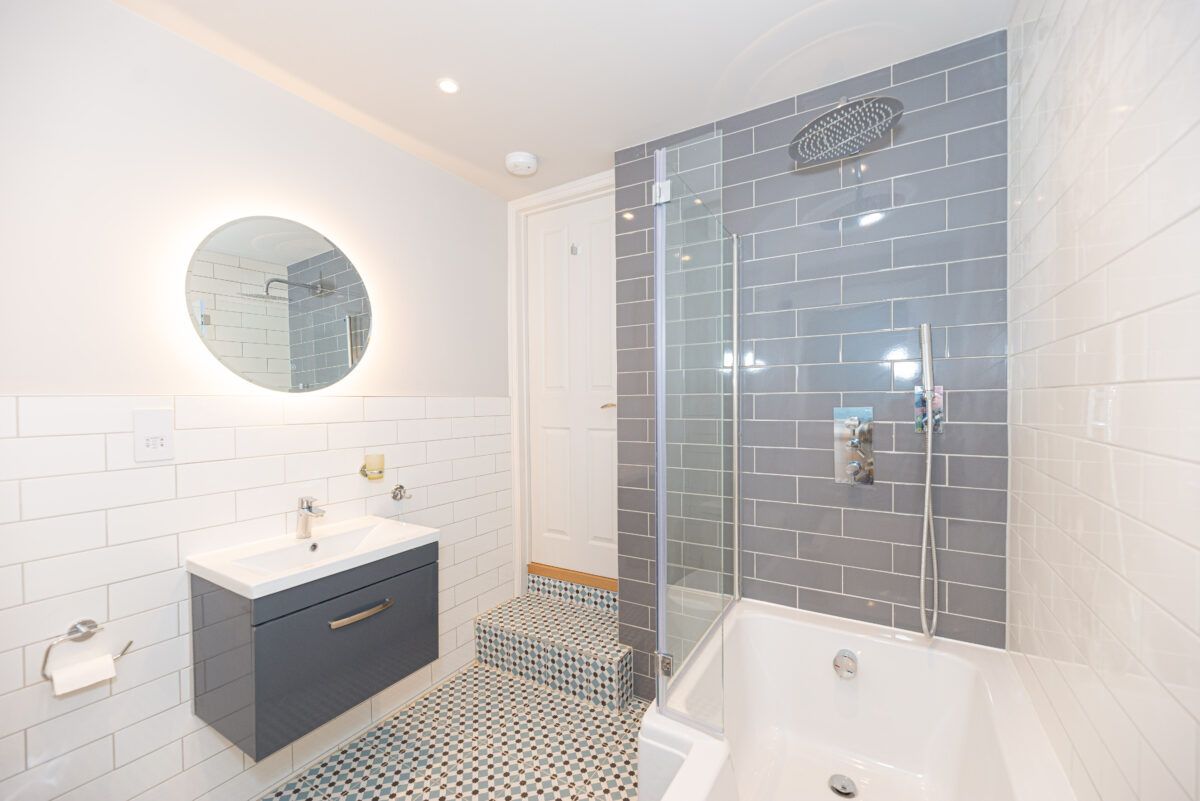
A well-designed bathroom in your basement can add both convenience and significant value to your home. But there are elements to take into consideration such layout, moisture control, and plumbing. Getting the details right is key to long-term success and comfort.
Plan the Layout with Care
Before choosing tiles or tapware, it’s essential to understand the physical constraints of your basement space. Locating your bathroom near existing plumbing lines can save time, reduce disruption, and keep installation costs down. It also helps simplify future maintenance. Basements often have lower ceiling heights, so selecting compact fixtures and low-profile lighting options will help make the space feel less enclosed. The goal is to create a layout that’s both functional and visually open, no matter the space available.
Importance of Ventilation
Damp is one of the biggest risks in any basement, and when you add a bathroom, you need to prioritise ventilation. A powerful extractor fan with a humidity sensor or a timer is essential for keeping the air fresh and dry. If you’re investing in a larger conversion, you might consider installing a mechanical ventilation with heat recovery (MVHR) system. This provides a continuous flow of fresh air and helps control condensation across your basement space. If there’s any way to include a window, even a small one, it will improve air quality, while also adding a welcome source of natural light.
Get the Lighting Right
Since natural light is usually limited or non-existent, layering artificial light is essential. Start with recessed ceiling downlights for general illumination, then add focused task lighting near mirrors and sinks for grooming and makeup. Accent or mood lighting, such as LED strips under vanities or behind mirrors, can create a soft, spa-like feel. Warm LED tones are often preferred in basements, as they add a sense of comfort and make the space feel more inviting.
Add Luxury Where It Matters
Just because your bathroom is below ground doesn’t mean it can’t feel luxurious. Walk-in showers with rainf
all heads and frameless glass partitions offer a clean, modern look. Underfloor heating is particularly effective in basements where tiled floors can feel cold. Wall-hung fixtures not only save space but also add a sleek, floating effect that’s ideal for contemporary designs. Don’t be afraid to introduce bold tile patterns or colours to bring character and warmth to an otherwise understated space.
Waterproofing and Drainage Are Critical
In a basement setting, waterproofing must be robust and thorough. A full tanking system should be applied before any tiling begins to ensure long-term protection against moisture. Proper drainage planning is also essential, particularly if gravity drainage isn’t an option. In such cases, a macerator pump can help ensure waste is safely removed. It’s important to monitor the space for condensation or damp patches after installation and address any issues promptly.
Get in Touch
If you’re considering adding a bathroom to your basement, get in touch with the Simply Basement team at info@simplybasement.co.uk.


