


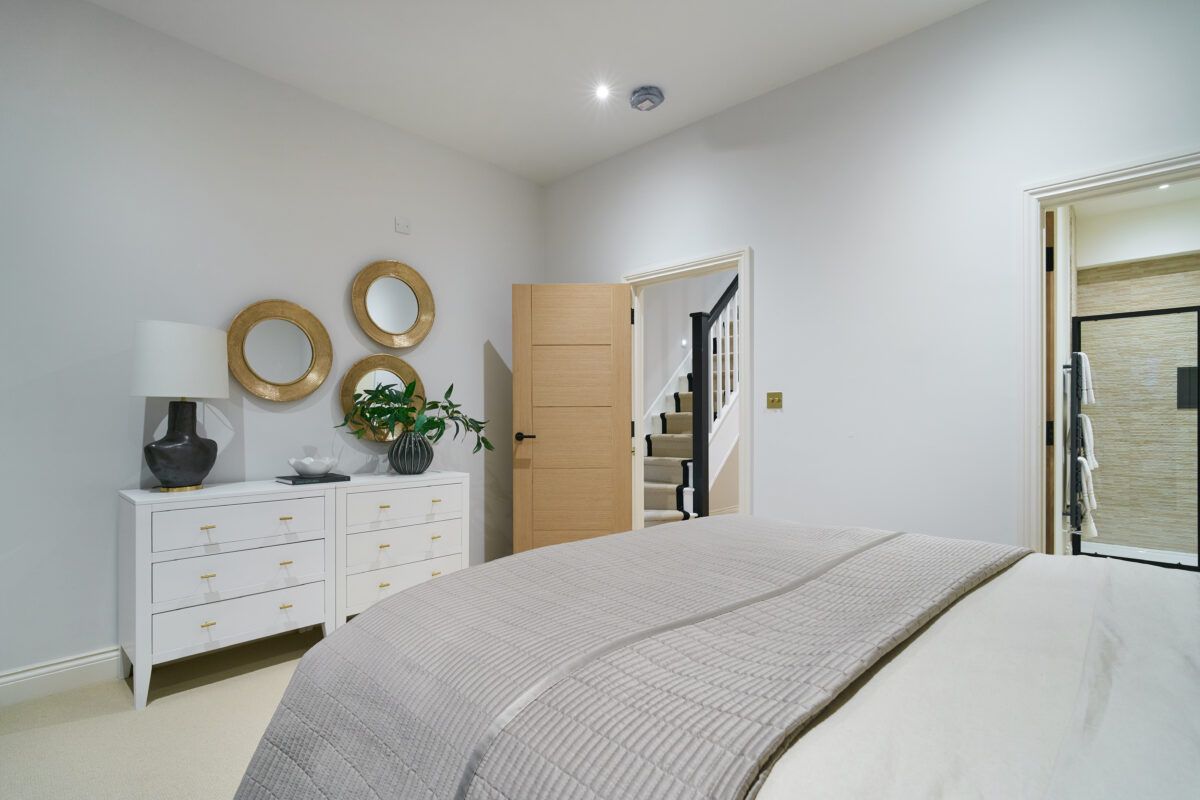
A basement conversion is an excellent way to create additional living space without sacrificing valuable garden space or extending your property above ground. Whether you’re considering a new kitchen, home cinema, gym or additional bedroom, converting your basement can significantly improve how you use your home.
However, before starting work, one of the most important questions to consider is whether you need planning permission for a basement conversion.
The answer depends on the type of work involved, your property’s location and the changes you intend to make.
Does a Basement Conversion Require Planning Permission?
In the UK, converting an existing basement or cellar into a usable living space will not always require planning permission. If you’re simply renovating an existing underground space without changing the external appearance of your property, permission may not be necessary.
However, more extensive basement developments are likely to require planning approval.
For example, planning permission may be needed if your project involves:
- Excavating to create a completely new basement.
- Extending the existing basement beyond the property’s footprint.
- Installing external lightwells or new access points.
- Creating a separate residential accommodation unit.
- Making significant changes to the external appearance of your property.
It’s important to remember that planning requirements can vary between local authorities, particularly in London, where some councils have specific policies governing basement developments.
What If Your Property Is Listed or in a Conservation Area?
If your home is located within a conservation area or is a listed building, additional restrictions may apply.
Listed buildings have specific protections designed to preserve their architectural and historical character. Even internal alterations may require listed building consent if they affect the building’s special architectural or historic interest.
Similarly, properties within conservation areas may be subject to additional planning controls, particularly where excavation, lightwells or external alterations are proposed.
It’s always advisable to check with your local planning authority before committing to any basement development.
Do You Need Building Regulations Approval?
Even if your basement conversion doesn’t require planning permission, Building Regulations approval will generally still be necessary.
Building Regulations ensure that your new living space is safe, structurally sound and suitable for everyday use.
Important considerations include:
- Structural stability: Ensuring the existing foundations and surrounding structures remain safe.
- Waterproofing: Protecting the basement against dampness and water ingress.
- Ventilation: Providing adequate airflow and preventing condensation.
- Fire safety: Ensuring suitable escape routes and fire protection.
- Insulation: Maintaining comfortable temperatures and improving energy efficiency.
Depending on your project, structural calculations and specialist waterproofing details may also be required.
Why Is Professional Basement Planning Important?
Basement conversions can be complex projects, particularly when excavation or structural alterations are involved.
Working with experienced basement specialists from the beginning can help identify potential challenges, establish the necessary permissions and ensure your proposed design is practical.
Careful planning also helps prevent unexpected costs and construction delays, giving you greater confidence throughout the project.
Start Your Basement Conversion with Simply Basement
Whether you’re transforming an existing cellar or planning a completely new basement development, understanding the planning requirements is an essential first step.
At Simply Basement, we help homeowners make the most of their properties through professionally managed basement conversion and construction projects.
If you’re considering a basement conversion, get in touch with Simply Basement at info@simplybasement.co.uk to discuss your ideas and find out how we can help turn your unused underground space into a beautiful, functional part of your home.


